The Problem
Childhood food insecurity is a national problem, it occurs when children receive insufficient food on a regular basis; in many cases missing meals entirely. After a while, these children also experience “fear of hunger” that affects their behavior as much as physical hunger affects their bodies. Household food insecurity affected 18.4 percent (6.7 million) of households with children in 2024.
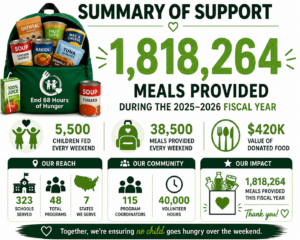
The Impact of Food Insecurity
The impact on a child extends far beyond hunger. Teachers tell us they often notice a change in food-insecure students by Friday afternoon. After a week of receiving consistent meals at school, many children face an uncertain weekend with little or no reliable access to food. The stress and anxiety that accompany that uncertainty can affect their behavior, emotional well-being, and ability to focus.
How End 68 Hours of Hunger Helps
This program puts nourishing food in the hands of school children to carry them through the weekend. Each bag of food provides two breakfasts, two lunches, and three dinners for a child. Our purchasing power is multiplied through generous food donations. Every $10 donated allows us to provide approximately $30 worth of food to children.
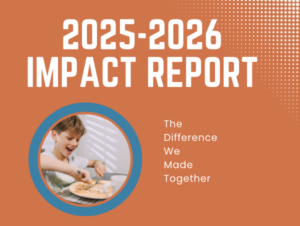
The Impact of End 68 Hours of Hunger
Weekend hunger shouldn’t determine a child’s future. When children receive dependable weekend meals, they come back to school on Monday ready to learn instead of distracted by hunger. Teachers report fewer hunger-related behavior challenges, increased responsibility, and stronger academic performance. In many schools, improvements in reading and math scores have also been documented. Together, we’re helping children reach their full potential.
Learn more about how our program operates
Watch founder Claire Bloom give a group presentation